🔥 Flat 10% OFF on First Order | Premium Wooden Furniture | Free Shipping


Sheesham & Teak Wood Furniture Care Guide for Indian Homes (2026)

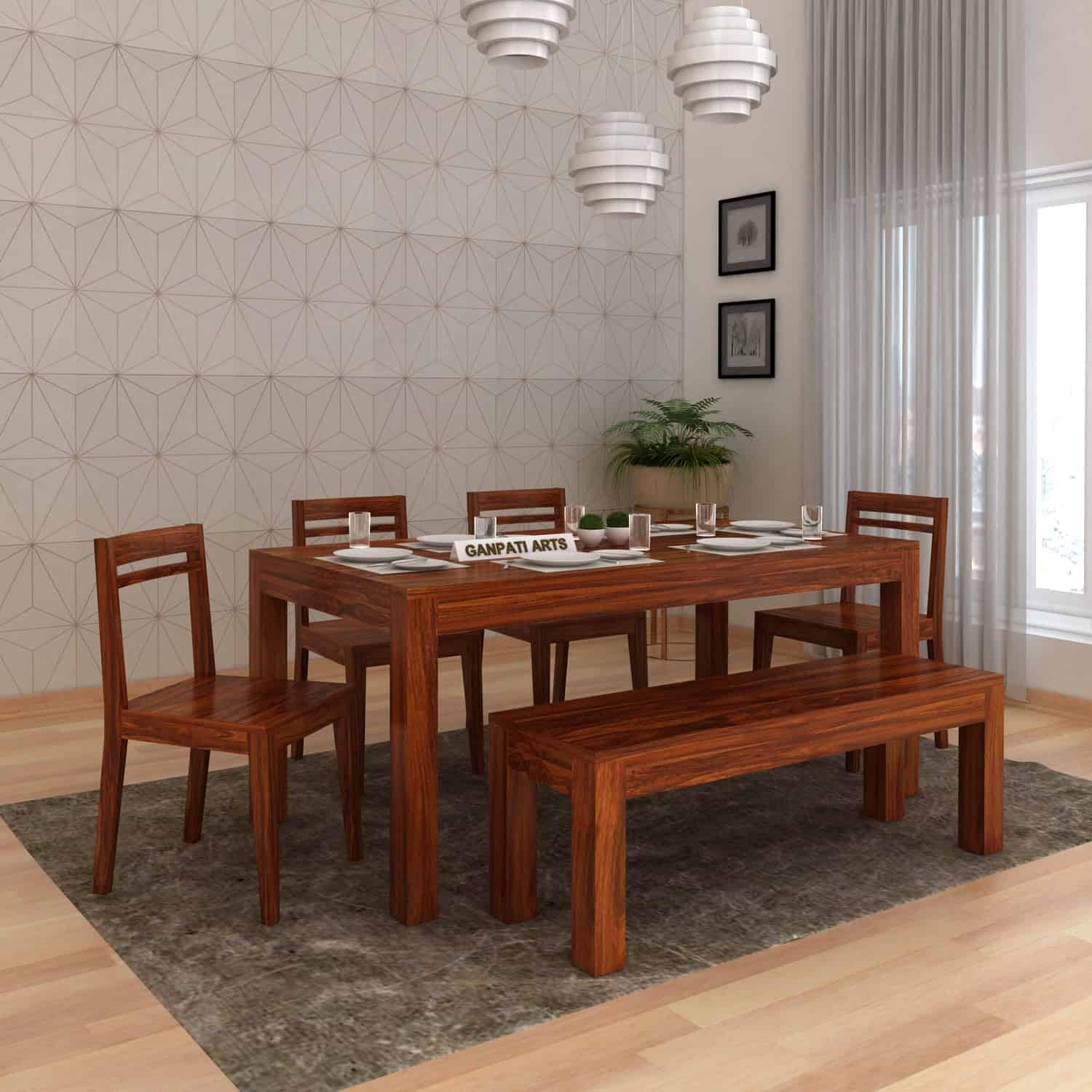
Buying solid sheesham or teak wood furniture is only half the job — how you maintain it decides whether it still looks new in 15 years or starts cracking and fading within 2. Indian homes swing between humid monsoons and dry summers, both of which stress solid wood in different ways. This guide covers practical, low-effort maintenance for sheesham and teak wood furniture, using real pieces from MyFurnitureStore.in as examples of what to look out for.
Table of Contents
- Why Solid Wood Furniture Needs Maintenance
- Daily and Weekly Care
- Seasonal Care for Indian Climate
- Polishing and Refinishing Schedule
- Common Maintenance Mistakes
- Care Tips by Furniture Type
- FAQs
Why Solid Wood Furniture Needs Maintenance
Sheesham (Dalbergia sissoo, Indian rosewood) and teak are both dense, naturally oil-rich hardwoods, which is exactly why they’re the backbone of Rajasthan’s furniture industry — they resist termites and don’t warp as easily as softer woods. But “naturally resistant” isn’t the same as “maintenance-free.” Without basic care, even solid sheesham pieces like a sheesham dining table or wardrobe can develop surface cracks, fading, and loose joints over 5-10 years. For a full breakdown of how sheesham and teak differ as materials, see our Sheesham Wood vs Teak Wood Furniture guide — this article focuses purely on keeping either wood in good condition after purchase.
Daily and Weekly Care
| Task | Frequency | How |
|---|---|---|
| Dust removal | Daily/every 2 days | Dry microfiber cloth, wipe with the grain |
| Spill cleanup | Immediately | Blot (don’t rub) with a dry cloth, then a barely damp cloth |
| Deep clean | Weekly | Slightly damp cloth with mild soap solution, dry immediately |
| Hardware check | Monthly | Tighten hinges, drawer runners, and bolts on cabinets and beds |
Seasonal Care for Indian Climate
Monsoon (June-September): Humidity is wood’s biggest enemy in India. Keep furniture like a bar cabinet or bookshelf at least a few inches from damp exterior walls, run a dehumidifier or fan in enclosed rooms, and check wardrobes and cabinets monthly for any musty smell that signals trapped moisture.
Summer (March-June): Direct sun through windows fades polish and can dry out wood, causing surface cracks. Move dining tables and sofas out of direct afternoon sun, or use curtains during peak hours.
Winter: Dry indoor air (especially with heaters) can shrink wood slightly, sometimes leading to squeaky joints. A light wax polish before winter helps retain natural moisture in the wood.
Polishing and Refinishing Schedule
Most sheesham and teak furniture sold in India carries either a melamine polish or an oil/wax finish. As a general schedule: dust and wipe weekly, apply a wood-safe polish or wax every 6-12 months, and consider professional refinishing (light sanding + re-polish) every 5-8 years for high-use pieces like a dining table or bed frame. Always test polish on a hidden spot first, and avoid silicone-based sprays, which can leave a residue that’s hard to re-polish over later.
Common Maintenance Mistakes to Avoid
1. Using wet cloths for regular cleaning. Standing water seeps into grain and joints; always dry the surface immediately after any damp wipe.
2. Placing hot dishes or cups directly on the surface. Use coasters and trivets — heat rings are one of the most common damage patterns on sheesham dining tables and coffee tables.
3. Dragging furniture instead of lifting. Dragging a wardrobe or sofa across tile floors stresses leg joints; always lift with help for anything heavier than a chair.
4. Ignoring loose joints. A wobble in a chair or bed frame gets worse with time and use — tighten screws and bolts as soon as you notice movement, not after it fails.
5. Skipping termite checks. While sheesham and teak are naturally resistant, they aren’t immune — inspect the undersides of beds and wardrobes annually, especially in ground-floor homes.
Care Tips by Furniture Type
Sofas and sofa cum beds: Vacuum upholstery weekly, rotate cushions monthly, and keep the wooden frame dry and dusted — see examples in our living room furniture collection.
Dining tables: Always use a tablecloth or mats for daily meals, and re-oil or re-wax every 6 months given the heavy daily contact.
Wardrobes and chests of drawers: Keep interiors ventilated with silica gel packets during monsoon, and avoid overloading drawers, which stresses runners over time.
Bar cabinets and coffee tables: Wipe up spilled drinks immediately — alcohol and citrus juices can strip polish faster than water alone.
Frequently Asked Questions
How often should I polish my sheesham wood furniture?
Every 6-12 months for regular wax or oil polish, and a full professional refinish every 5-8 years for heavily used pieces like dining tables and beds.
Is teak wood furniture more durable than sheesham?
Both are highly durable hardwoods; teak has slightly higher natural oil content and marginally better water resistance, while sheesham is denser and often more affordable. See our detailed comparison for specifics.
Can I use regular furniture polish spray on sheesham wood?
Use wood-safe polishes without heavy silicone content; test on a hidden area first, since some sprays can build up residue that interferes with later refinishing.
How do I stop my wooden furniture from cracking in summer?
Keep it away from direct sunlight and air-conditioning vents, maintain some ambient humidity if your home is very dry, and apply oil or wax polish before peak summer months.
Does monsoon humidity damage sheesham furniture?
It can if furniture sits directly against damp walls or in poorly ventilated rooms — maintain a few inches of clearance from walls and use a dehumidifier or fan in enclosed spaces during monsoon.
How do I remove water stains from a wooden dining table?
Gently rub with a mix of mild soap and warm water using a soft cloth, dry thoroughly, then apply a small amount of wood polish to restore the sheen.
Do I need to treat solid wood furniture for termites?
Sheesham and teak are naturally termite-resistant, but an annual visual inspection of undersides and joints is still recommended, especially in humid or ground-floor homes.
Final Word
A little consistent care — dusting, prompt spill cleanup, seasonal awareness, and periodic polishing — is what separates solid sheesham and teak wood furniture that lasts decades from furniture that looks tired within a few years. Explore our full Sheesham & Teak Wood Furniture collection to see the range of pieces this care routine applies to.
Related guide: learn how to spot genuine material before you buy in our Real vs Fake Sheesham Wood guide.