
Real vs Fake Sheesham Wood: How to Identify Genuine Furniture Before You Buy (2026)

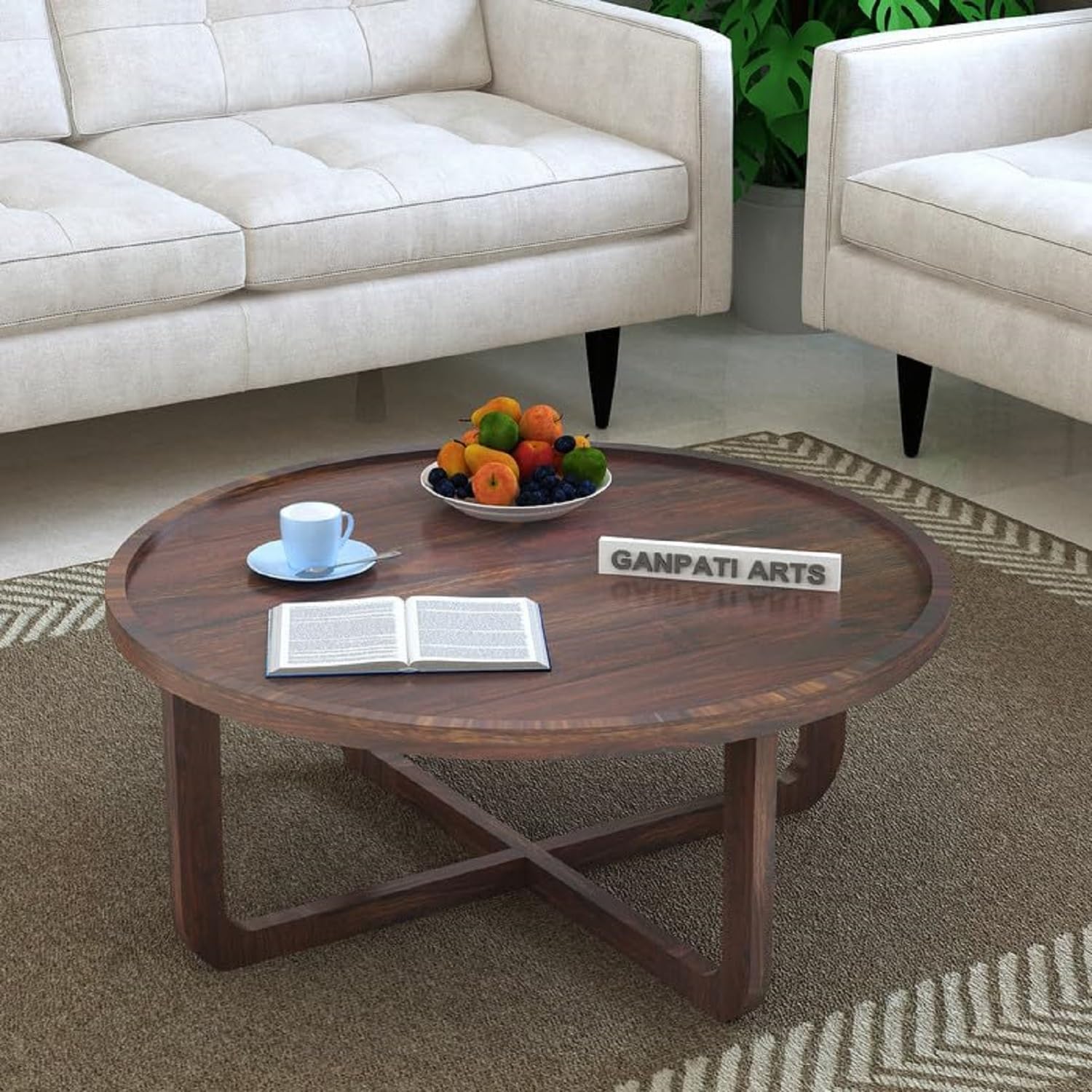
“Sheesham wood” has become such a popular selling point in Indian furniture that it now gets stamped on listings that are actually mango wood, rubber wood, or painted MDF with a wood-grain sticker. Learning to tell real vs fake sheesham wood apart before you buy saves you from paying a solid-wood price for a substitute that won’t last a fraction as long. This guide walks through the visual, physical, and paperwork checks that actually work, plus which real Sheesham products in our own catalog you can compare them against.
Table of Contents
- Why Sheesham Wood Authenticity Matters
- 7 Ways to Identify Real Sheesham Wood
- Real Sheesham vs Common Substitutes
- Where Fake or Mislabeled Sheesham Commonly Shows Up
- Verified Real Sheesham Wood Furniture Picks
- How Manufacturers Source Sheesham
- India’s Traditional Sheesham Hubs
- Price Benchmarks
- Questions to Ask the Seller Before You Buy
- If You Suspect Fake Sheesham
- Care Tips That Confirm You Bought Real Sheesham
- Common Buying Mistakes
- Frequently Asked Questions
Why Sheesham Wood Authenticity Matters
This matters even more for online buyers who can’t physically pick up and inspect a piece before ordering, since photos and marketing copy are the only information available until the item arrives at the doorstep.
Genuine Sheesham (Dalbergia sissoo, also called Indian rosewood) is dense, naturally resistant to termites and warping, and can comfortably last 15-25 years with basic care. A substitute sold under the Sheesham name at the same price is a straightforward overpayment — you’re paying solid-hardwood prices for a material that may need replacing in 3-5 years. Because Sheesham furniture is usually finished with a stain or polish that hides the raw grain in photos, price and photos alone aren’t reliable ways to judge authenticity, which is why physical inspection matters more here than for almost any other furniture material.
7 Ways to Identify Real Sheesham Wood
1. Check the Weight
Sheesham is a genuinely heavy hardwood. A dining chair or side table that feels surprisingly light for its size is a strong signal it’s a lighter wood (mango, rubber wood) or an engineered board rather than solid Sheesham.
2. Look at the Grain Pattern
Real Sheesham has a distinctive, irregular grain with visible colour variation — streaks of darker brown running through a lighter golden-brown base. A perfectly uniform, repeating pattern is usually a printed veneer or laminate, since real wood grain is never perfectly repetitive across a large surface.
3. Check the Underside or Back Panel
Manufacturers finish the visible surfaces carefully but often leave an unfinished panel underneath or at the back. This is the easiest place to see the raw wood colour and grain without any polish disguising it — if this hidden panel looks like painted MDF or particleboard chips, the piece is not solid Sheesham.
4. Smell Test
Freshly cut or lightly sanded Sheesham has a mild, slightly sweet woody smell. Painted MDF or particleboard often has a faint chemical smell from adhesives, especially in a newly delivered piece, that solid wood does not have.
5. Knock Test
Gently knock on the surface. Solid Sheesham gives a dense, dull thud. Hollow-core or particleboard construction sounds noticeably hollower and lighter in tone.
6. Ask for Real Product Photos, Not Stock Images
Sellers using the same generic “sheesham wood” stock photo across many differently priced listings are a red flag. Genuine sellers can usually provide an actual photo of the specific piece, including the underside or back panel on request.
7. Check the Warranty and Return Policy
A genuine solid-wood seller is generally comfortable offering at least a 1-year structural warranty, since real Sheesham is durable enough to back that promise. A seller unwilling to offer any warranty on a “solid wood” claim is worth treating with caution.
Real Sheesham vs Common Substitutes
| Material | Weight | Grain | Typical Lifespan | Termite Resistance |
|---|---|---|---|---|
| Real Sheesham Wood | Heavy, dense | Irregular, visible colour variation | 15-25+ years | Naturally high |
| Mango Wood (often mislabeled) | Medium | Lighter, straighter grain, often stained darker to mimic Sheesham | 8-12 years | Low, needs treatment |
| Rubber Wood | Light-medium | Pale, fine grain, usually heavily stained | 6-10 years | Low |
| Painted MDF / Particleboard | Light, or artificially weighted | Printed/laminate, perfectly repeating pattern | 3-6 years, poor with moisture | None |
Where Fake or Mislabeled Sheesham Commonly Shows Up
Being aware of these patterns before you shop, rather than after a purchase goes wrong, is the most effective form of protection available to buyers.
The most common place this happens is unbranded listings on general marketplaces, where a seller has no manufacturing accountability and can freely relabel mango wood or MDF furniture as “sheesham” to command a higher price. Small unbranded local carpentry shops sometimes do the same in good faith, using whatever hardwood is cheaply available and calling it Sheesham since customers recognise the name. Established furniture brands with their own manufacturing and warranty terms have far less incentive to mislabel material, since a warranty claim would expose the substitution.
Verified Real Sheesham Wood Furniture Picks
Each of these listings has been checked against our own inventory records confirming solid Sheesham construction, with accurate prices at the time of publishing.
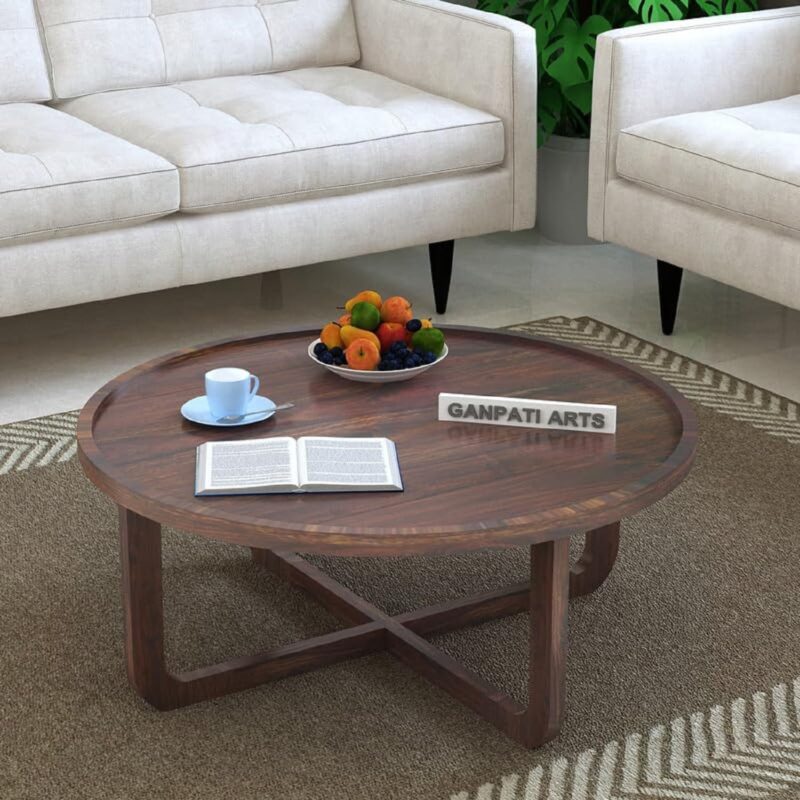
- Ganpati Arts Solid Sheesham Wood Round Coffee Table – Rs 5,999. Visible natural grain variation across the tabletop, consistent with genuine solid wood.
- Ganpati Arts King Size Boston Bed with Box Storage – Rs 32,449. Full solid-wood frame and box storage panels, not a plywood-and-veneer shell.
For a broader buying framework covering sofas, cabinets, and more, see our Solid Sheesham Wood Furniture Buying Guide.
How Genuine Manufacturers Actually Source Sheesham Wood
Legitimate Sheesham furniture manufacturers in India typically source timber through registered timber depots and licensed sawmills, where the wood is kiln-dried to reduce moisture content before it goes to the workshop floor. Kiln-drying matters because raw, improperly dried Sheesham can warp or crack after it reaches a buyer’s home, especially across humid monsoon months followed by dry winters. A manufacturer confident in their sourcing will usually mention kiln-drying or moisture-content treatment somewhere in their product description or be willing to confirm it if asked directly, whereas a reseller mislabeling a cheaper wood has no real sourcing story to share.
India’s Traditional Sheesham Wood Furniture Hubs
Jodhpur in Rajasthan and Saharanpur in Uttar Pradesh are two of India’s best-known traditional centres for solid wood furniture manufacturing, with generations of carpentry expertise built around Sheesham and other hardwoods. Furniture genuinely manufactured in these clusters, or by workshops trained in these traditions, tends to show more consistent joinery and finishing quality than furniture assembled quickly to meet marketplace demand elsewhere. This isn’t a guarantee by itself, but a seller who can speak knowledgeably about where and how a piece was made is generally a better sign than one who can’t.
Price Benchmarks: What Real Sheesham Should Cost
Prices vary by size and design, but real solid Sheesham furniture in India generally falls within predictable ranges. Use this as a rough sanity check against any listing you’re considering.
| Furniture Type | Typical Real Sheesham Price Range |
|---|---|
| Coffee/centre table | Rs 5,000 – 11,000 |
| Dining chair (single) | Rs 3,000 – 5,000 |
| Console table | Rs 10,000 – 18,000 |
| Queen/king size bed with storage | Rs 28,000 – 45,000 |
| 3-seater sofa | Rs 25,000 – 40,000 |
A listing priced dramatically below these ranges for a comparable size and design is one of the clearest warning signs that the material isn’t genuine solid Sheesham. See our Best Sheesham Wood Coffee Tables and Wooden Sofa Sets Under Rs 40,000 guides for real, verified pricing examples.
Questions to Ask the Seller Before You Buy
- “Can you send a photo of an unfinished or underside panel of this exact piece?”
- “What warranty do you offer against structural defects or warping?”
- “Is this kiln-dried Sheesham, and can you confirm the wood moisture treatment?”
- “Do you manufacture this yourself, or resell from another supplier?”
A seller who answers these confidently and specifically is far more trustworthy than one who deflects to generic marketing language like “premium quality wood.”
Care Tips That Confirm You Bought Real Sheesham
Genuine Sheesham responds well to standard wood care: occasional polishing with a wood-safe wax or oil restores its shine, and it doesn’t swell or bubble at the surface with normal humidity changes in Indian weather. If a piece you’ve bought starts bubbling, peeling, or delaminating at the edges within the first year, it’s very likely a veneer or laminate product rather than solid wood, since real solid wood doesn’t delaminate — there’s nothing to peel away from. For a full maintenance routine, see our Sheesham & Teak Wood Furniture Care Guide.
What to Do If You Suspect You Received Fake Sheesham
If a delivered piece fails the weight, grain, or knock tests above and the listing specifically claimed solid Sheesham wood, document it with clear photos (including the underside or an unfinished edge) and raise a return or replacement request with the seller immediately, ideally within the platform’s standard return window. Under India’s Consumer Protection Act, misrepresenting a product’s material is treated as unfair trade practice, giving buyers grounds for a refund or replacement, though the practical first step is almost always a direct return request rather than a legal one. Keeping the original listing screenshot as evidence of what was promised strengthens any return claim significantly.
Common Buying Mistakes
- Trusting the listing title alone — “sheesham wood” in a title is marketing copy, not a certification.
- Judging authenticity from photos only — polish and staining can make several different woods look similar in a well-lit product photo.
- Assuming a higher price guarantees real wood — some sellers mark up mislabeled furniture specifically because the Sheesham name allows it.
- Skipping the warranty terms — a missing or vague warranty is one of the most reliable red flags on this list.
- Not asking for an underside or back-panel photo before ordering a piece you can’t inspect in person.
Frequently Asked Questions
How can I tell if furniture is real Sheesham wood?
Check the weight (genuine Sheesham is heavy), look for irregular natural grain rather than a repeating pattern, inspect an unfinished underside panel if possible, and confirm the seller offers a structural warranty.
Is mango wood the same as Sheesham wood?
No. Mango wood is a different, generally softer and less durable hardwood that is sometimes stained to resemble Sheesham and mislabeled in listings.
Does real Sheesham wood have a smell?
Yes, a mild, slightly sweet woody smell, especially when freshly sanded or polished, unlike the faint chemical smell sometimes present in painted MDF or particleboard furniture.
Why is Sheesham wood furniture sometimes cheaper elsewhere?
A lower price on a “sheesham” listing often means the piece is actually a cheaper substitute wood, engineered board, or a smaller/thinner cut of real wood than it appears in photos.
How long does real Sheesham wood furniture last?
With basic care, genuine solid Sheesham furniture typically lasts 15-25 years or longer, significantly outlasting mango wood, rubber wood, or MDF alternatives.
Does a warranty guarantee the wood is real?
Not by itself, but a seller confident enough to offer a genuine structural warranty on a solid-wood claim is generally more trustworthy than one who avoids offering any warranty at all.
Can I return furniture if it turns out not to be real Sheesham?
Yes. Document the issue with photos and raise a return or replacement request with the seller within their stated return window, keeping the original listing as evidence of what was promised.
Are Jodhpur and Saharanpur furniture always genuine Sheesham?
Being made in a traditional furniture hub is a positive sign but not a guarantee by itself – always apply the weight, grain, and warranty checks regardless of where a piece was manufactured.
Real vs Fake Sheesham Wood: Quick Recap
When comparing real vs fake sheesham wood, check the weight, inspect the grain and an unfinished panel, do a smell and knock test, and confirm the seller offers a genuine warranty before you buy.
Conclusion
None of the checks above require special tools or expertise – weight, grain pattern, a knock test, and a straight question about warranty terms are enough to catch the overwhelming majority of mislabeled listings before you spend money on them.
Real Sheesham wood is heavy, has irregular natural grain, smells faintly woody, and comes from sellers willing to back it with a genuine warranty — fake or mislabeled Sheesham typically fails at least two or three of these checks. Before you buy, ask for an underside photo, confirm the warranty terms, and compare the piece against our verified picks above. For more on choosing genuine solid wood furniture, see our Solid Sheesham Wood Furniture Buying Guide, our Solid Wood vs Engineered Wood Furniture comparison, and our Sheesham vs Teak Wood Furniture Guide.
Reference: Wikipedia – Dalbergia sissoo (Sheesham).