🔥 Flat 10% OFF on First Order | Premium Wooden Furniture | Free Shipping


Wooden Furniture Care in Monsoon: Protect Sheesham & Teak Furniture (India 2026)

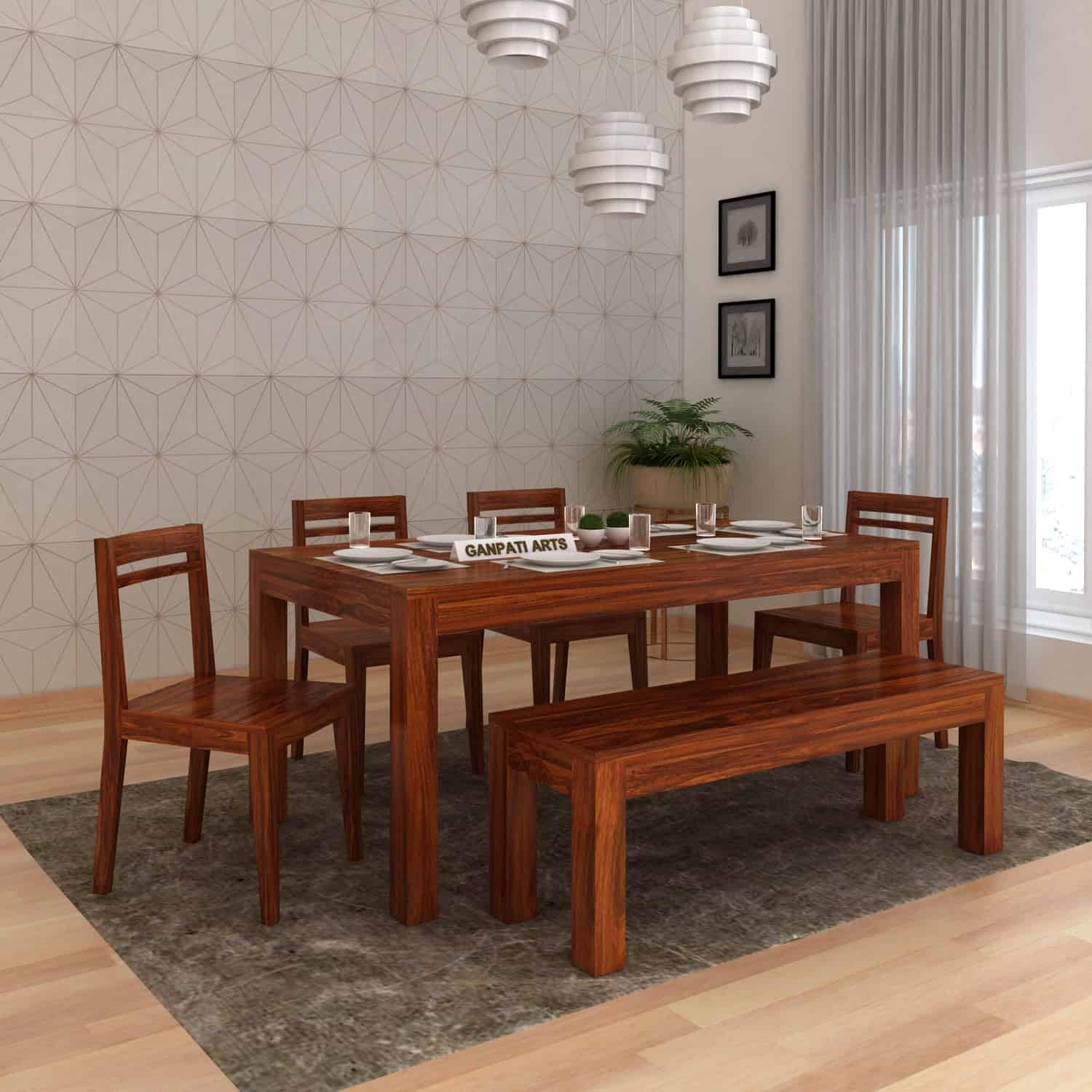
If you own solid wood furniture in India, wooden furniture care in monsoon season is the single most important maintenance routine you will do all year. Sheesham and teak are naturally strong, but four months of high humidity, sudden rain, and damp floors can still swell joints, dull polish, and invite termites if you don’t take a few simple precautions. This guide walks you through exactly what to do before, during, and after the rains so your dining table, bed, wardrobe, and sofa set keep looking showroom-new for years.
- Why Monsoon Is Hard on Wooden Furniture
- Sheesham vs Teak: How Each Reacts to Humidity
- Wooden Furniture Care in Monsoon: The Complete Checklist
- Room-by-Room Monsoon Protection Tips
- Termite and Fungus Prevention
- Which Indian Cities Need the Most Monsoon Furniture Care
- What to Look For When Buying Monsoon-Ready Furniture
- Mistakes to Avoid During the Rainy Season
- Post-Monsoon Restoration Checklist
- FAQs
Why Monsoon Is Hard on Wooden Furniture
Wood is hygroscopic, which means it absorbs moisture from the air and releases it when the air dries out. During India’s monsoon months (roughly June to September across most of the country, and longer in coastal Kerala, Mumbai, and the Northeast), relative humidity can stay above 80% for weeks. That constant moisture exchange causes wood fibres to expand, which is why drawers that opened smoothly in April suddenly jam in July, and why joints on sofa sets and dining chairs start to creak. On the flip side, when furniture dries out too fast near a window AC or a balcony that gets direct sun between showers, the wood can develop surface cracks. The goal of humidity management isn’t to eliminate moisture entirely — that’s impossible in most of India from June to September — it’s to keep the swings slow and small enough that solid wood can handle them without warping.
Sheesham vs Teak: How Each Reacts to Humidity
Not all wood behaves the same way in the rains, and knowing the difference changes how aggressively you need to protect a piece.
| Factor | Sheesham (Indian Rosewood) | Teak |
|---|---|---|
| Natural oil content | Moderate — some natural resistance to moisture | High — teak’s natural oils are the main reason it’s prized for outdoor and humid-climate furniture |
| Swelling/shrinking in monsoon | Noticeable if unsealed; well-polished sheesham handles it fine | Minimal; teak is one of the most monsoon-stable woods available in India |
| Termite resistance | Good, but not as high as teak | Excellent — teak’s oils are naturally repellent to termites and fungus |
| Typical use on this site | Dining sets, beds, wardrobes, sofa sets, bookshelves | Sofa frames, console tables, premium dining sets |
| Monsoon maintenance effort needed | Medium — polish every 6-8 months, check joints | Low — polish once a year is usually enough |
If you’re deciding between the two specifically for a humid city like Mumbai, Kochi, or Kolkata, read our detailed Sheesham Wood vs Teak Wood Furniture comparison before you buy — it covers price and durability in more depth than we can here.
Wooden Furniture Care in Monsoon: The Complete Checklist
Here is the exact routine we recommend to every customer who buys solid wood furniture from us for a monsoon-prone city.
1. Seal gaps and keep furniture away from walls
Leave at least 2-3 inches between any wooden piece and an exterior wall. Exterior walls absorb rainwater and stay damp long after the rain stops, and furniture pushed flush against them picks up that moisture through contact. This single habit prevents more monsoon damage than any polish.
2. Use a dehumidifier or silica gel in closed units
Wardrobes, cabinets, and chest of drawers trap humidity inside when closed. Place a small dehumidifier box or silica gel sachets inside wardrobes and drawer units; replace or recharge them every 2-3 weeks through the season.
3. Wipe down weekly with a dry microfibre cloth
Never let standing moisture sit on a wooden surface. A quick weekly wipe-down with a dry, lint-free cloth removes condensation before it soaks into the grain.
4. Apply a monsoon-grade wood polish or wax every 2 months
A beeswax-based or silicone wood polish creates a thin moisture barrier on the surface. Apply it more frequently in monsoon (every 6-8 weeks) than you would in winter (every 3-4 months).
5. Keep furniture legs off wet floors
Use felt pads or small coasters under bed legs, sofa legs, and dining table legs, especially on marble or vitrified tile floors that stay cool and damp. This is one of the most common causes of leg rot we see on older furniture.
6. Ventilate the room daily
Open windows for at least 30-60 minutes a day whenever it isn’t actively raining. Stagnant, humid air inside a closed bedroom or living room is worse for furniture than the rain itself.
Room-by-Room Monsoon Protection Tips
Living room: sofa sets, TV units, bookshelves
Fabric and leather upholstery on wooden-framed sofa sets can develop a musty smell fast in monsoon. Vacuum upholstery weekly and avoid placing sofas directly under a window that gets wind-blown rain. Keep bookshelves away from the wall that faces the heaviest rain direction in your region — in most of western and coastal India, that’s typically the west or southwest-facing wall.
Bedroom: beds, wardrobes, dressing tables
Bed frames closest to the floor pick up the most ambient moisture. If your bedroom is on a ground floor or ever gets slightly damp, a bed with a slightly raised frame or storage box design (which keeps the mattress base ventilated) performs noticeably better through monsoon than a flush platform bed.
Dining room: tables and chairs
Always use table mats and coasters in monsoon — condensation from cold glasses combined with ambient humidity is a common cause of white ring marks on polished dining tables.
Balcony-adjacent furniture
Any piece placed near an open balcony door — consoles, shoe racks, cabinets — should get a slightly heavier wax coat before the season starts, since it takes the most direct exposure to wind-driven moisture.
Termite and Fungus Prevention
Monsoon humidity is peak termite and fungus season across most of India. A few extra steps go a long way:
- Inspect the undersides and back panels of wardrobes and beds once a month for small mud tunnels or tiny holes — early signs of termite activity.
- Avoid storing damp clothes, newspapers, or cardboard inside or behind wooden cabinets; these are common fungus and termite triggers.
- If you spot white, powdery fungal growth on a wooden surface, wipe it immediately with a cloth dampened in a mild vinegar-water solution and dry thoroughly — don’t just polish over it.
- For a termite infestation that’s already active, a professional pest-control treatment is far more effective than any home remedy; DIY sprays rarely reach queen termites deep in the wood.
Home office and study furniture
If you work from home, your desk chair, study table, and any paper storage take extra punishment in monsoon because they’re used for hours every day while windows stay shut. Keep important documents in a sealed plastic container rather than loose on open wooden shelves, and wipe down armrests and desk surfaces daily since hand moisture adds to the humidity the wood already has to deal with. Our Home Office Furniture Guide covers layout and desk-chair choices if you’re setting up a new workspace this year.
Which Indian Cities Need the Most Monsoon Furniture Care
Monsoon intensity varies hugely across India, and so should your care routine. Here’s a rough guide based on typical rainfall and humidity patterns:
| Region | Monsoon Intensity | Recommended Care Frequency |
|---|---|---|
| Mumbai, Konkan Coast, Goa | Very high — sustained heavy rain June to September | Wipe-downs every 2-3 days, polish every 6 weeks, dehumidifier boxes mandatory in closed units |
| Kerala, coastal Karnataka, Northeast India | Very high, often starts earlier and lasts longer | Same as above, plus extra termite inspection given near-constant humidity |
| Delhi NCR, Punjab, Haryana | Moderate — shorter, more intense bursts | Weekly wipe-downs, polish every 8-10 weeks |
| Rajasthan, Gujarat (non-coastal) | Lower rainfall but high humidity spikes during active monsoon weeks | Focus care around active rain weeks rather than the whole season |
| Bengaluru, Hyderabad, Pune | Moderate, spread across more months with drizzle | Weekly wipe-downs, keep an eye on wardrobe interiors specifically |
What to Look For When Buying Monsoon-Ready Furniture
If you’re furnishing a home in a high-humidity region, a little extra attention while buying saves years of maintenance headaches later.
- Finish quality over finish colour: A well-sealed, multi-coat polish matters more for monsoon durability than the shade you pick.
- Raised legs or bases: Furniture with a slightly raised base (even 1-2 inches) stays drier than pieces that sit flush on the floor, especially on ground-floor homes.
- Solid joinery over particle-board backs: Cabinets and wardrobes with solid wood backs and sides handle humidity swings far better than ones using MDF or particle board, which can swell and delaminate.
- Ventilated wardrobe design: Small vents or gaps in wardrobe doors reduce trapped humidity compared to fully sealed designs.
- Metal hardware grade: Stainless steel or powder-coated hinges and handles resist monsoon rust far longer than basic zinc-plated hardware.
These are exactly the details our team checks before listing any solid wood piece, which is why sheesham and teak remain the two most recommended materials for Indian homes regardless of climate zone.
Mistakes to Avoid During the Rainy Season
| Mistake | Why it hurts your furniture | What to do instead |
|---|---|---|
| Running the AC on full blast right after a humid day | Rapid humidity swings crack polish and veneer | Let the room de-humidify gradually; use the AC’s dry mode instead of full cool |
| Using a wet cloth to clean wood | Adds moisture instead of removing it | Always use a dry or barely-damp microfibre cloth, then dry immediately |
| Storing furniture directly against an exterior wall | Exterior walls stay damp for days after rain | Keep a 2-3 inch gap for airflow |
| Skipping polish because “it’s raining anyway” | This is exactly when the protective barrier matters most | Polish more often in monsoon, not less |
| Ignoring small jammed drawers | Forcing a swollen drawer can crack the wood or runners | Let it dry out for a day; sand lightly if it keeps sticking |
Post-Monsoon Restoration Checklist
Once the rains ease off (typically October in most of India), give every piece a proper reset: a full dry-dust, a fresh coat of polish or wax, a check of all hinges and drawer runners for rust or stiffness, and a final once-over for any fungus spots that need treating before they spread into winter. This is also the best time to re-oil teak pieces, since teak responds best to oiling in drier weather.
If any piece picked up real damage this season — swollen panels, rusted hardware, or a termite scare — it’s often more cost-effective to replace that one item than to keep repairing it. Browse our Solid Sheesham Wood Furniture Buying Guide for monsoon-ready replacement options, or compare solid wood vs engineered wood if you’re considering a more humidity-resistant material for a problem room.
Frequently Asked Questions
1. How often should I polish wooden furniture during monsoon?
Every 6-8 weeks for sheesham, and roughly every 8-10 weeks for teak, compared to once every 3-4 months in drier seasons. More frequent, lighter coats work better than one thick coat.
2. Can I use coconut oil instead of wood polish in monsoon?
Coconut oil can go rancid and attract dust in high humidity, so it’s not ideal as a monsoon finish. Stick to a proper beeswax or silicone-based furniture wax, or a polish recommended by your furniture manufacturer.
3. Why do my wooden drawers jam only during the rainy season?
This is normal wood swelling from humidity absorption, not a manufacturing defect. It usually eases on its own once humidity drops; forcing it can crack the runners.
4. Is teak really better than sheesham for monsoon climates?
Teak’s higher natural oil content does make it more moisture and termite resistant out of the box, but well-maintained sheesham performs very well too — the real difference is how much upkeep you’re willing to do. See our full sheesham vs teak comparison linked above for a complete breakdown.
5. How do I know if my furniture has termite damage versus just monsoon swelling?
Swelling affects movement (stiff drawers, tight joints) but the wood surface looks normal. Termite damage shows small holes, mud tunnels, or a hollow sound when you tap the wood. If you see any of those signs, call a pest-control professional rather than just repolishing.
Ready to monsoon-proof your home? Browse our full range of solid sheesham and teak wood furniture built to handle Indian weather, or get in touch with our team for furniture-specific care advice before the rains set in this year.
Related guide: See our winter wooden furniture care guide for more.