🔥 Flat 10% OFF on First Order | Premium Wooden Furniture | Free Shipping

Best Orthopedic Mattress in India (2026 Buying Guide) – Back Pain Relief & Spine Support

If you wake up with a stiff lower back or a tingling shoulder more mornings than not, the problem is rarely your pillow — it’s usually the mattress underneath you. An orthopedic mattress is built specifically to keep your spine in a neutral, straight line while you sleep, distributing body weight evenly so no single point (hips, shoulders, lower back) takes the full pressure all night. In this guide we break down what actually makes a mattress “orthopedic,” how to pick the right firmness and material for your body and sleeping position, and which orthopedic mattresses on MyFurnitureStore.in are worth your money in 2026.
Table of Contents
Table of Contents
What Makes a Mattress “Orthopedic”?
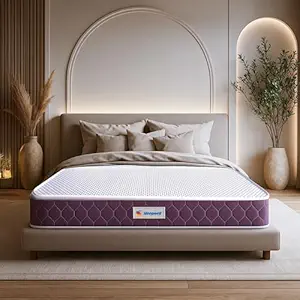
The word “orthopedic” isn’t a regulated certification in India — any brand can print it on a label. What actually matters is the construction underneath. A genuine orthopedic mattress typically combines a firm support base (high-resilience or bonded foam, pocket springs, or coir) with a pressure-relieving top layer (memory foam or latex) so that your spine stays aligned whether you sleep on your back, side, or stomach. The goal is simple: your hips and shoulders should sink in slightly while your lower back stays supported, not arched or sagging.
Doctors and physiotherapists in India frequently recommend medium-firm orthopedic mattresses for people with chronic lower back pain, slipped disc recovery, cervical spondylosis, or simply for anyone who spends 7–8 hours a night on an old, sagging mattress that’s lost its support.
How Orthopedic Mattresses Help With Back Pain
Spinal Alignment
When you lie on a mattress that’s too soft, your hips sink deeper than your shoulders, curving your spine into a banana shape overnight. Do this for years and you compound existing back issues. Orthopedic mattresses resist this by using a firmer support core, keeping your spine roughly as straight as it is when you stand.
Pressure Point Relief
A mattress that’s too firm with no cushioning layer creates pressure points at the shoulders and hips, which is why most orthopedic mattresses pair a firm base with 1–3 inches of memory foam or latex on top — firm enough to support, soft enough to cushion.
Firmness Levels Explained
Most orthopedic mattresses sold in India fall into “medium-firm” territory, which suits the majority of Indian sleepers and climates. Very firm mattresses (common in budget coir models) suit heavier body types or people who sleep strictly on their back; softer orthopedic-memory-foam hybrids suit side sleepers and lighter body types who still need spinal support.
Orthopedic Mattress Materials Compared
| Material | Feel | Best For | Typical Warranty |
|---|---|---|---|
| High-Resilience (HR) Foam | Firm, responsive | Back sleepers, hot climates (breathable) | 2–5 years |
| Memory Foam Orthopedic | Body-contouring, medium-firm | Side sleepers, pressure point relief | 7–10 years |
| Natural Latex Orthopedic | Bouncy, firm yet cushioned | All sleeping positions, allergy-prone users | 10+ years |
| Bonded/Coir + Foam | Very firm | Heavier body types, strict back sleepers | 2–7 years |
How to Choose the Right Orthopedic Mattress
Firmness by Sleeping Position
Back and stomach sleepers generally need a firmer orthopedic mattress to prevent the hips from sinking too far. Side sleepers need slightly more give at the shoulder and hip to avoid pressure buildup, so a medium-firm orthopedic mattress with a memory foam or latex top layer works better for them.
Reference: the Wikipedia entry on memory foam and viscoelastic foam properties provides useful independent background on how these materials behave under heat and pressure.
Body Weight Considerations
Heavier individuals (85kg+) should look at higher-density foam (32kg/m³ or above) or pocket-spring orthopedic hybrids, since low-density foam compresses and sags faster under more weight. Lighter individuals can comfortably use softer orthopedic memory foam without bottoming out.
Size Guide
Standard Indian mattress sizes are Single (72×30 or 72×36 inches), Double (72×48 inches), Queen (72×60 or 78×60 inches), and King (72×72 or 78×72 inches). Always measure your bed frame before ordering — a mattress even 2 inches too large won’t fit inside the frame’s rails.
Warranty & Trial Period
A longer warranty (7–10 years) is usually a reasonable indicator of foam density and build quality, since manufacturers won’t warranty foam that they expect to sag within 2–3 years. Where available, always use a trial period to test the mattress at home before committing.
Our Top Orthopedic Mattress Picks (2026)
Here are orthopedic mattresses currently available on MyFurnitureStore.in, spanning single to king sizes and a range of budgets:
Orthopedic Mattress Price Range in India
Orthopedic mattresses in India span a wide price range depending on size and material. Entry-level bonded-foam orthopedic mattresses in single size start around Rs. 3,000–5,000, while queen and king size memory foam or latex orthopedic mattresses from established brands can range from Rs. 15,000 to over Rs. 80,000 depending on layer count, foam density, and cover fabric technology (cooling gel, antimicrobial treatments, bamboo charcoal, etc.). As a rule of thumb, paying slightly more for a reputable brand with a longer warranty usually costs less per year of use than replacing a cheap mattress every 2–3 years.
Orthopedic vs Regular Mattress: What’s the Real Difference?
A regular mattress is designed primarily for comfort and price, often using a single layer of medium-density foam or basic coir with no engineered support zones. An orthopedic mattress, by contrast, is built around spinal alignment first — using zoned support (firmer under the lower back and hips, slightly softer at the shoulders), higher-density foam that resists sagging, and materials chosen specifically to reduce pressure point pain. If you don’t currently have back, neck, or joint pain, a regular mattress may serve you fine; but if you wake up sore, feel numbness in your arms, or have been advised by a doctor to improve your sleep posture, an orthopedic mattress is the better long-term investment.
Signs You Need to Replace Your Current Mattress
Watch for visible sagging or a permanent body-shaped dip in the mattress surface, springs or lumps you can feel through the fabric, waking up with stiffness that improves once you’re up and moving around (a classic sign of poor sleep support), or a mattress that’s simply crossed the 7–8 year mark, since most foams lose 20–30% of their original support by then regardless of how well they’re maintained.
Maintenance Tips for Orthopedic Mattresses
Rotate your mattress head-to-foot every 2–3 months to prevent uneven sagging, especially in the first year. Use a breathable, washable mattress protector to guard against sweat and dust mites — important in India’s humid climate. Air the mattress out (prop it against a wall in sunlight for an hour) every couple of months if it isn’t a sealed, non-removable-cover design, and avoid folding high-density foam mattresses for long periods as it can create permanent creases.
Common Mistakes to Avoid When Buying an Orthopedic Mattress
Don’t assume “firm” automatically means “good for your back” — a mattress that’s too firm with no cushioning can create new pressure points at the shoulder and hip. Don’t buy based on price alone; a very cheap orthopedic mattress under Rs. 3,000 in a king size is almost certainly using low-density foam that will sag within a year. And don’t ignore the warranty terms — read whether it covers sagging (the most common failure) or only manufacturing defects.
Why Buy Your Orthopedic Mattress from MyFurnitureStore.in
We stock orthopedic mattresses across every major India-focused mattress brand and price band, from budget bonded-foam options to premium memory foam and natural latex hybrids, so you can compare specs, sizes, and warranties in one place instead of hopping between marketplaces. Every listing on this page shows the real dimensions and warranty term upfront, and our support team can help you match a mattress to your bed frame size, body weight, and any specific back or joint concerns before you buy. Combine your mattress purchase with one of our solid Sheesham wood bed frames for a complete bedroom upgrade backed by the same after-sales support.
Frequently Asked Questions
Q: Is a firm or medium-firm mattress better for back pain?
A: For most people, medium-firm is the sweet spot — firm enough to support the spine, soft enough to relieve pressure at the shoulders and hips. Very firm mattresses suit strict back/stomach sleepers or heavier body types.
Q: How long does an orthopedic mattress last?
A: A good-quality orthopedic mattress (HR foam, memory foam, or latex with adequate density) typically lasts 7–10 years before support noticeably declines. Budget bonded-foam options may need replacing in 3–5 years.
Q: Can an orthopedic mattress cure back pain completely?
A: An orthopedic mattress can significantly reduce mechanical strain from poor sleeping posture, but it isn’t a medical treatment. If you have a diagnosed spine condition, use it alongside your doctor’s or physiotherapist’s advice.
Q: What’s the difference between orthopedic and memory foam mattresses?
A: “Orthopedic” describes the mattress’s purpose (spinal support); memory foam is one of several materials (along with latex, HR foam, and pocket springs) that can be used to build an orthopedic mattress.
Q: Do orthopedic mattresses need a hard base or can they go on a divan/box bed?
A: Most orthopedic mattresses work fine on slatted bases, divans, or box storage beds as long as the base itself is flat and sturdy — avoid bases with wide gaps between slats.
Q: Are orthopedic mattresses suitable for children or teenagers?
A: Yes, especially for growing teenagers who complain of back stiffness from poor posture or heavy school bags; a medium-firm orthopedic mattress supports healthy spinal development.
Q: How do I know what mattress size fits my bed frame?
A: Measure the inner length and width of your bed frame rails before ordering – standard Indian sizes are Single (72×30 or 72×36), Double (72×48), Queen (72×60 or 78×60), and King (72×72 or 78×72 inches), but always double-check against your specific frame since dimensions can vary by a few inches between manufacturers.
Conclusion
The right orthopedic mattress comes down to matching firmness and material to your body weight, sleeping position, and budget — not just picking the one labelled “orthopedic” with the biggest discount. Browse the full range of orthopedic mattresses above, compare warranty terms, and pick the size that fits your bed frame precisely. If you’re upgrading your bedroom, pair your new mattress with a solid Sheesham wood bed frame from our furniture collection for a complete, durable sleep setup.
Related Buying Guides
- Best Memory Foam & Cooling Mattresses in India (2026 Guide)
- Pocket Spring vs Bonnell Spring Mattress: Which is Best for You? (2026 Guide)
- Natural Latex Mattress Guide: Is It Worth It? (India 2026)
- Budget Mattress Guide: Dual Comfort, Coir & Foldable Mattresses in India (2026)
- Solid Sheesham Wood Furniture Buying Guide: Sofa Sets, Cabinets & More (2026)