🔥 Flat 10% OFF on First Order | Premium Wooden Furniture | Free Shipping

Wooden Side Table Buying Guide: Living Room, Bedroom & Balcony (India 2026)

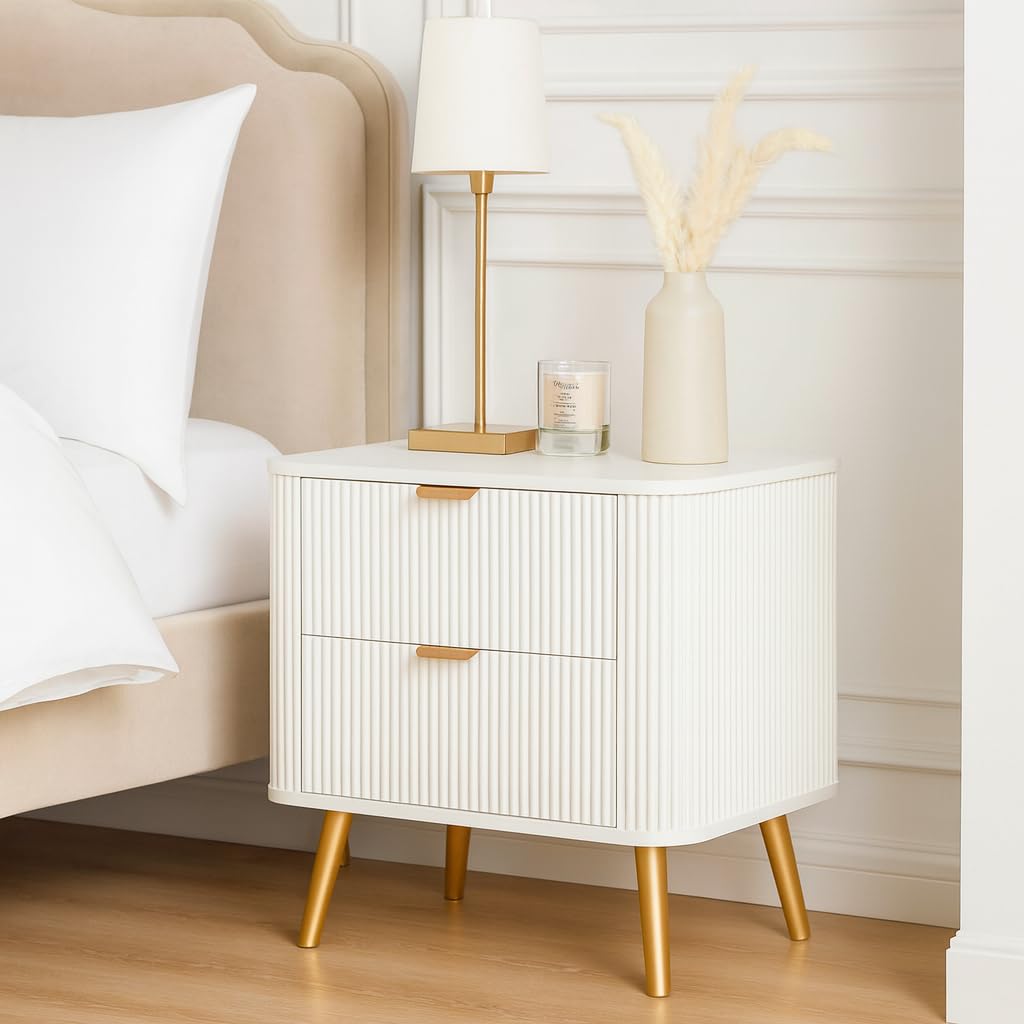
A good wooden side table buying guide should cover far more than just the living room — side tables genuinely earn their keep next to a sofa, beside a bed, on a balcony, or tucked into a hallway corner. This guide walks through the different types available in India, how to pick the right height and size for each room, and real solid-wood options that work across multiple spaces in your home.
- What Exactly Counts as a “Side Table”?
- Wooden Side Table Buying Guide: Types by Room
- Height & Size: Getting the Proportions Right
- Materials Compared: Sheesham, Teak, Engineered Wood & Metal-Wood Combos
- Side Table vs Bedside Table vs Nightstand: Any Real Difference?
- Real Side Table Options to Shop
- Styling Ideas for Living Room, Bedroom & Balcony
- Side Table vs Coffee Table vs Console Table
- Common Side Table Buying Mistakes
- How Many Side Tables Does a Home Actually Need?
- Side Tables as a Low-Cost Room Refresh
- Care Tips
- FAQs
What Exactly Counts as a “Side Table”?
In furniture terms, a side table is any small, low table placed beside a larger piece of furniture or seating — most often a sofa, a bed, or an armchair — primarily to hold a lamp, drink, phone, or small decor item within easy reach. It’s a broad category that overlaps with bedside tables, console tables, and occasional tables, which is exactly why shoppers often end up confused about which product actually fits their need. The short version: if its main job is “small surface within arm’s reach of where you’re sitting or sleeping,” it’s functionally a side table, whatever the specific product listing calls it.
Wooden Side Table Buying Guide: Types by Room
Living room side tables
Placed beside a sofa or accent chair, usually 18-22 inches tall to match standard sofa arm height, often with a drawer or open shelf for remotes, coasters, or magazines.
Bedroom side tables (bedside tables/nightstands)
Placed beside a bed, typically matched to mattress-top height (roughly 24-26 inches) so it’s easy to reach from a lying position, almost always with at least one drawer for essentials.
Balcony and outdoor-adjacent side tables
Smaller and often more weather-resistant in finish, placed beside a single chair or bench on a balcony; teak is the strongest pick here due to its natural moisture resistance. Our Furniture for Small Balcony guide covers full balcony furnishing if you’re starting from scratch.
Hallway and entryway side tables
Taller and narrower, often styled closer to a console table, used to hold keys, mail, or a small decor piece near the entrance. See our Coffee Table vs Console Table guide if you’re deciding between formats for this zone.
Height & Size: Getting the Proportions Right
| Use Case | Ideal Height | Ideal Top Surface Size |
|---|---|---|
| Beside a sofa (living room) | 18-22 inches (within 1-2 inches of sofa arm height) | 16-20 inch square or round top |
| Beside a bed | 24-26 inches (matched to mattress-top height) | 14-18 inch square top, often with drawer |
| Balcony/outdoor | 18-24 inches depending on chair height | 12-16 inch round top, compact footprint |
| Hallway/entryway | 28-32 inches (console-table height) | Narrow rectangular top, 10-14 inches deep |
Getting the height wrong is the single most common side-table buying mistake — a table that’s even 3-4 inches too short or tall relative to the seat or bed next to it looks and feels wrong, even if the style and finish are perfect.
Materials Compared: Sheesham, Teak, Engineered Wood & Metal-Wood Combos
| Material | Durability | Typical Price (India, 2026) | Best For |
|---|---|---|---|
| Solid sheesham wood | Very high | ₹4,000 – ₹8,000 | Bedroom and living room use, long-term durability |
| Teak wood | Very high, best humidity resistance | ₹5,000 – ₹10,000 | Balcony-adjacent or humid-climate placement |
| HDMR wood with iron legs | Moderate-high, lighter weight | ₹3,500 – ₹9,500 | Modern bedroom styling, easy to move |
| Engineered wood/MDF | Moderate, 4-6 years typical | ₹2,000 – ₹5,000 | Budget-conscious buyers, rented homes |
Side Table vs Bedside Table vs Nightstand: Any Real Difference?
Functionally, no — these three terms describe the same core product, with regional and marketing preference deciding which word gets used. “Nightstand” is more common in American English and increasingly in Indian e-commerce listings, “bedside table” is the more traditional Indian/British term, and “side table” is the broadest term that also covers non-bedroom placements like sofa-side or balcony use. If you’re searching online and not finding what you want under one term, try the others — many of the exact same products are listed under multiple names depending on the seller.
Real Side Table Options to Shop
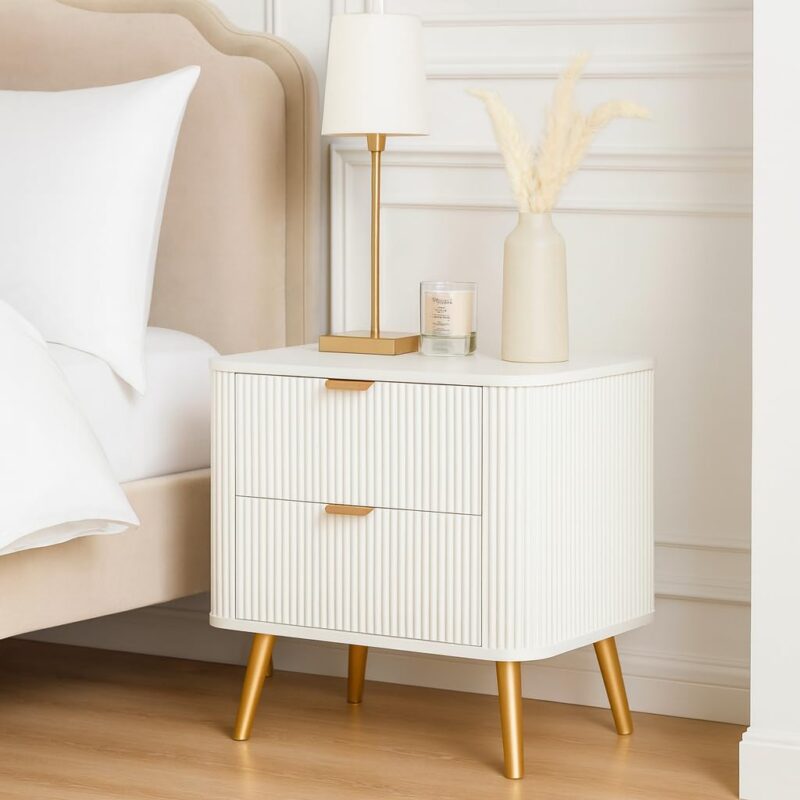
| Product | Price | Best Placement |
|---|---|---|
| Wooden Side Table with 2 Drawers (White Finish) | ₹4,999 | Living room or bedroom — explicitly multi-purpose |
| Sheesham Wood Side Table with Drawer Storage | ₹5,699 | Bedroom, long-term durability pick |
| Premium Sheesham Wood Side Table with Storage | ₹5,249 | Living room accent table beside a sofa or armchair |
| Wooden Side Table with Drawer & Open Shelf (Light Beige) | ₹3,999 | Budget pick for rented homes or secondary rooms |
Styling Ideas for Living Room, Bedroom & Balcony
In the living room, use a side table to hold a small lamp or plant rather than leaving it empty — an empty side table often looks unfinished compared to one with a single, deliberate object on top. In the bedroom, keep the side table’s drawer for essentials only (phone charger, glasses, a book) rather than letting it become general storage overflow, since bedside clutter undermines the calm feel a bedroom needs. On a balcony, pick a side table with a water-resistant finish and keep it slightly away from direct rain exposure even under a covered balcony, since wind-driven moisture during monsoon can still reach it — our furniture buying guide covers more material-specific advice if you’re furnishing multiple rooms at once.
Side Table vs Coffee Table vs Console Table: Choosing Between Them
These three living-room staples often compete for the same budget and the same corner of a room, so it helps to know exactly what each one is built for before deciding.
| Table Type | Typical Height | Primary Use | Best Placement |
|---|---|---|---|
| Side table | 18-22 inches | Within-reach surface beside seating | Next to a sofa, armchair, or bed |
| Coffee table | 16-18 inches | Central surface for a seating group | In front of a sofa, centre of the living room |
| Console table | 28-32 inches | Display and light storage, narrow footprint | Against a wall, behind a sofa, or in an entryway |
A side table and a coffee table are not interchangeable despite both being “small living room tables” — a side table serves one seat, a coffee table serves the whole seating group. Many living rooms benefit from having both: a coffee table at the centre and one or two side tables flanking the sofa for personal items like a phone or a cup of tea that shouldn’t have to compete for space on the shared centre table.
Common Side Table Buying Mistakes
| Mistake | Why It’s a Problem | Better Approach |
|---|---|---|
| Buying based on living room photos without checking bedroom-specific height needs | A table sized for sofa-arm height is often too short for comfortable bedside use | Measure your actual mattress-top height before choosing a bedside side table |
| Ignoring drawer depth | A shallow drawer can’t hold much more than a phone charger | Check drawer depth in the product specs, not just the external dimensions |
| Choosing a top surface that’s too small | Barely fits a cup, let alone a lamp and a book | Aim for at least 14×14 inches for genuine everyday usefulness |
| Not checking leg clearance under the top | A low shelf or drawer front can block legroom if seated beside it | Check listed dimensions for the gap beneath the tabletop |
| Matching finish color without matching style era | A very traditional carved table can look out of place beside a minimalist modern sofa | Match overall design language, not just wood tone |
Care Tips
Dust wooden side tables weekly with a dry microfibre cloth, and use coasters under drinks or planters to prevent water rings on the top surface. If the table has drawers, check that runners move smoothly every few months — humidity swings (especially in monsoon) can cause minor swelling that makes drawers stick, the same issue solid wood furniture faces elsewhere in the home. Reapply wood polish every 3-4 months for sheesham and teak side tables to maintain their finish and protect against daily wear from cups, remotes, and books.
How Many Side Tables Does a Home Actually Need?
Most Indian homes underestimate how many side tables they could use, often buying just one for the living room and stopping there. A reasonably furnished home benefits from at least one side table per sofa arm or seating position where someone regularly sits for more than a few minutes — that typically means one beside each end of a 3 seater sofa, one beside each side of the bed in the master bedroom (rather than just one), and one near any reading chair or balcony seating. Buying matching pairs for symmetrical placements like either side of a bed also tends to look more intentional than a single mismatched table, and most sheesham and teak side tables in this price range are inexpensive enough to buy as a pair without straining a furnishing budget. A second side table in a bedroom, in particular, is one of the most commonly skipped purchases that homeowners later wish they’d made from day one.
Side Tables as a Low-Cost Room Refresh
If a full room renovation isn’t in the budget, a new side table is one of the cheapest ways to meaningfully refresh a room’s look. Swapping a dated, mismatched side table for one that actually complements your sofa or bed frame changes the perceived cohesion of an entire seating area for a fraction of the cost of replacing the main furniture piece. This is especially useful for renters (see our room measuring guide if you’re working with a tight rented space) who want a visible style update without a large furniture investment, and it’s one of the most common small upgrades we see customers make between larger furniture purchases. Even a single well-chosen side table, placed where it’s actually used daily, tends to get noticed by guests far more than a matching large furniture upgrade that simply blends into the rest of the room.
Frequently Asked Questions
1. What height should a side table be next to a sofa?
Match it as closely as possible to your sofa’s arm height, typically 18-22 inches, so the surface is easy to reach without leaning down or reaching up.
2. Is a side table the same thing as a bedside table?
Functionally yes — “side table,” “bedside table,” and “nightstand” all describe the same basic product, with the terms varying by region and by whether the specific listing emphasizes bedroom or living-room use.
3. What’s the best wood for a balcony side table in India?
Teak is the strongest choice for balcony or outdoor-adjacent placement due to its natural moisture and humidity resistance, though a well-sealed sheesham table can also work if kept away from direct rain exposure.
4. Can one side table work in both the bedroom and living room?
Yes — many side tables are explicitly designed for dual use, with a neutral design and standard drawer storage that suits either a sofa-side or bedside placement equally well.
5. How much should a solid wood side table cost in India?
Expect ₹4,000-₹8,000 for a genuine solid sheesham wood side table with drawer storage, with teak options running slightly higher and engineered wood or MDF alternatives available from around ₹2,000.
6. Should I buy side tables in matching pairs or mix styles?
For symmetrical placements like either side of a bed, a matching pair looks more intentional and put-together. For asymmetrical living room layouts, it’s fine — and often more visually interesting — to use slightly different side tables as long as the wood tone and overall style stay consistent.
Need a side table that actually fits your space? Browse our full range of solid wood side tables sized for living rooms, bedrooms, and balconies across Indian homes.
Side Tables for Specific Indian Home Layouts
Indian homes come in a few very common layouts, and the right side table placement shifts slightly for each. In a typical 1BHK with an open living-cum-dining area, a single side table beside the sofa closest to the entrance works best, since it’s the spot guests naturally gravitate to first. In a 2BHK or 3BHK with a separate formal living room, a side table on each end of the main sofa creates better symmetry and gives every seat its own surface, which matters more once you’re regularly hosting more than two or three guests at a time. In homes with a Vastu-conscious layout, side tables are generally considered neutral furniture pieces with no specific directional restrictions, unlike beds or the main entrance door, which makes them an easy, low-risk addition to almost any room without needing to consult placement guidelines first.